


Team building – from a group to an effective team
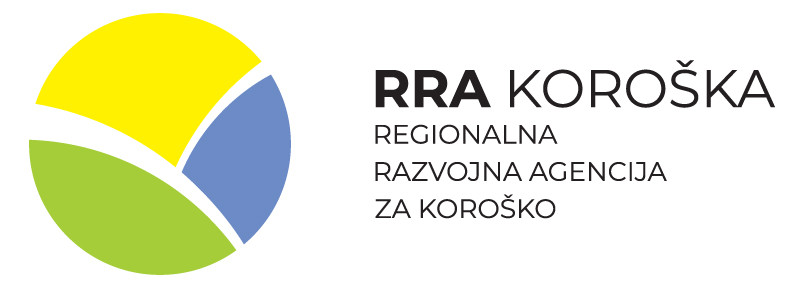



"Team building" is an established part of many companies' practices today. However, we still too often associate it primarily with socializing and relaxing for employees, even though its true purpose goes much further - strengthening cooperation, trust, communication, and efficiency.
By definition, "team building" is a collective term for various activities and approaches aimed at improving efficiency, strengthening cooperation, and clarifying roles within a group or team.
Team building is therefore a goal-oriented process aimed at improving relationships, communication and team effectiveness. When strategically planned and linked to company goals, it can significantly contribute to the development of organizational culture, greater employee motivation and, consequently, better business results.
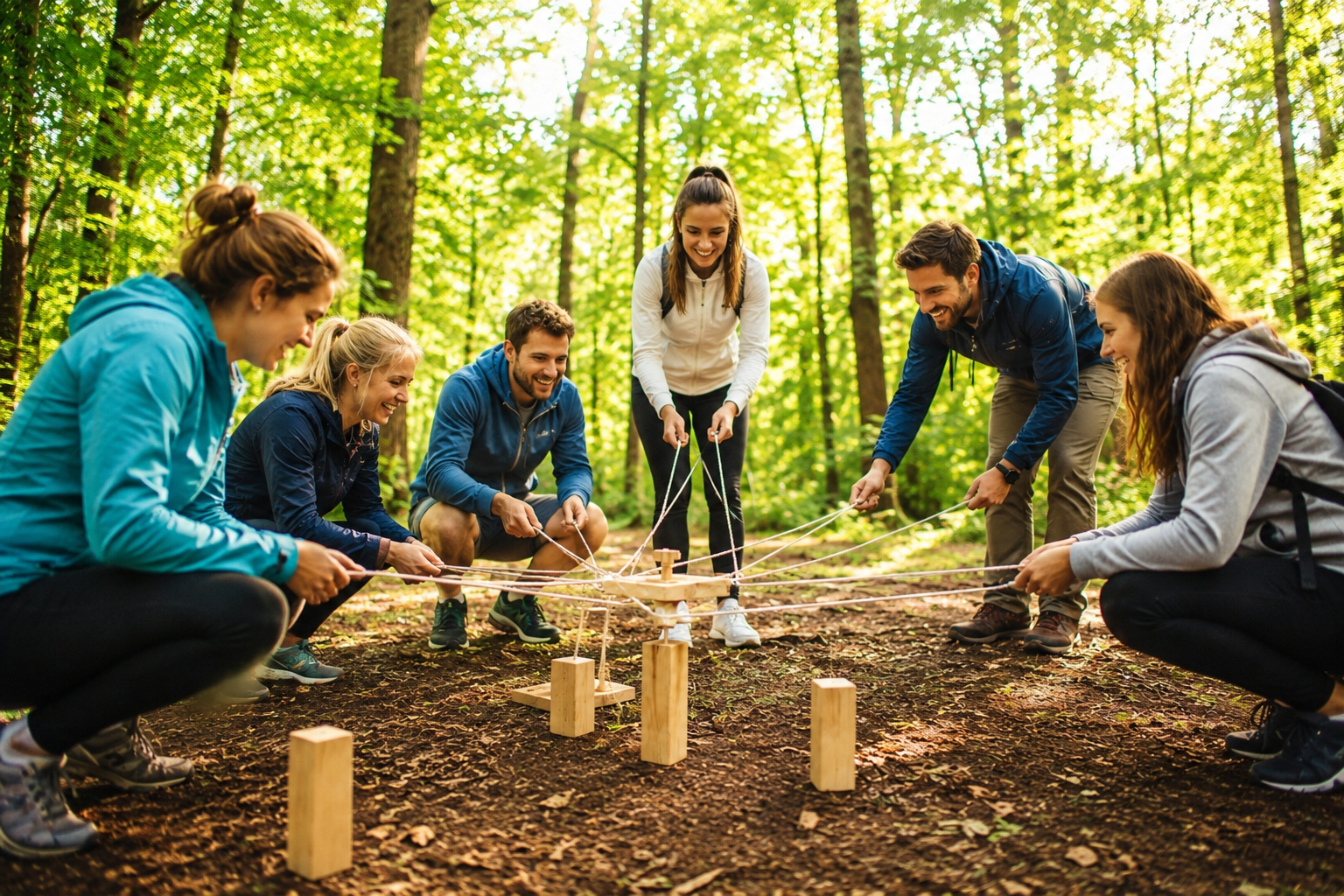
The path from a group to an effective team
It is important to distinguish between a group and a team. A group of individuals does not necessarily mean effective cooperation – this only develops when members act in harmony, with clear goals and mutual trust. This transition is facilitated by team building. Well-designed activities help improve communication, connect colleagues and create an environment in which individuals can contribute their knowledge and skills more effectively to common results. The greatest value of a successful team is often precisely in its diversity – when different views, experiences and ways of thinking become an advantage for the team, not a reason for disagreements.
The effects of team building on a company
The effects of a quality team building event are multifaceted and long-term:
- Strengthening trust and relationships: better connection between colleagues
- Improved communication: fewer misunderstandings and faster resolution of challenges
- Increased productivity: more effective teamwork
- Higher engagement: greater motivation and loyalty to the company
An interesting aspect from practice is that team building often accelerates the development of relationships, as it allows employees to interact in a different, less formal environment.
Types of team building
We can choose between different approaches, depending on the goals we want to achieve:
- Educational team building: development of soft skills (communication, leadership)
- Experiential team building: activities based on collaboration and solving challenges
- Problem-oriented team building: solving concrete business situations
- Social team building: strengthening relationships and employee satisfaction
In recent years, companies have increasingly included development, sustainability, or charitable activities, which, in addition to team building, also strengthen the company's values.
The key to success is that activities are not chosen randomly, but are linked to the specific needs of the team.
When will team building achieve its purpose?
Team building only has a long-term effect if it is designed as a thoughtful process, linked to the development of the team and its daily work. It must be:
- Clearly goal-oriented - it must stem from a specific team challenge (e.g. communication, trust, collaboration), otherwise it remains just a social event.
- Tailored to the team - it must take into account the structure, dynamics and needs of the specific team, as universal approaches rarely work optimally.
- Work-related - activities must reflect real work situations so that the acquired experience is put into practice.
- Continuous process - effects only become apparent when team building is not a one-off event, but part of the team's ongoing development.
Reflection after the activities carried out
One of the most frequently overlooked elements is structured reflection after the activities have been carried out. Without analyzing the experiences and reflecting on what happened in the team and how this is reflected in the work environment, team building does not achieve its true purpose. It is precisely reflection that allows experiences to be transformed into concrete changes in behavior.
Effective team building is not about location, activity or budget, but about its structure and purpose. When designed with purpose, connected to the work of the team and complemented by reflection and follow-up, it can significantly improve team collaboration, communication and effectiveness. Otherwise, it remains just a pleasant event with no lasting impact on the functioning of the organization.
Avtor: Urška Krajnc, RRA Koroška d.o.o. – Mrežni podjetniški inkubator Koroška
Sorodne objave








Koroška e-news in your inbox!